
Dolor, veneno, y canales iónicos en YabberXDivulgame

Pues ya está hecho. Mi primera incursión en un concurso de divulgación. Qué rápido decirlo, pero la verdad es que llevaba bastante tiempo con esta historia rondando por mis neuronas. Al final, la presión de una fecha límite ha conseguido que me siente y la termine.

El concurso en sí viene de la mano de Yabber y Divúlgame, con la colaboración de Sharp Minds, y podéis leer más sobre el concurso aquí. Creo que iniciativas como esta valen mucho la pena y con ellas puedes acabar descubriendo y aprendiendo cosas muy interesantes. Así que después de leer unos cuantos relatos participantes, me animé a escribir el mío. Sexo, drogas y rock’n’roll. Uy, perdón, en realidad quería decir dolor, veneno y canales iónicos. Si tenéis curiosidad por saber quién ganaría un combate entre un escorpión y un ratón del desierto, ¡echadle un ojo!

Y si os gusta la historia, ¡dadle a like (justo al final del artículo)! Al fin y al cabo, es un concurso, y sólo los 10 más votados serán evaluados por el jurado.

Podéis leer mi artículo aquí.

YabberXDivulgame

I el ‘Nobel’ de la neurociència va a…

Aprofitant que ahir va començar la Brain Awareness Week (Setmana Mundial del Cervell) trobo que és el moment perfecte per mencionar els guardonats amb el Brain Prize d’enguany.

El Brain Prize (el Premi del Cervell) és l’equivalent del Premi Nobel de la neurociència, i és dotat amb un milió d’euros. Cada any des del 2011, la Grete Lundbeck European Brain Research Foundation de Dinamarca l’atorga a un o més científics que hagin contribuït a avançar ostensiblement el camp de la neurociència. El passat 1 de Març es van fer públics els tres premiats d’aquest any, curiosament tots tres de nacionalitat britànica: Timothy Bliss, Graham Collingridge i Richard Morris, per les seves contribucions en l’estudi de la memòria.

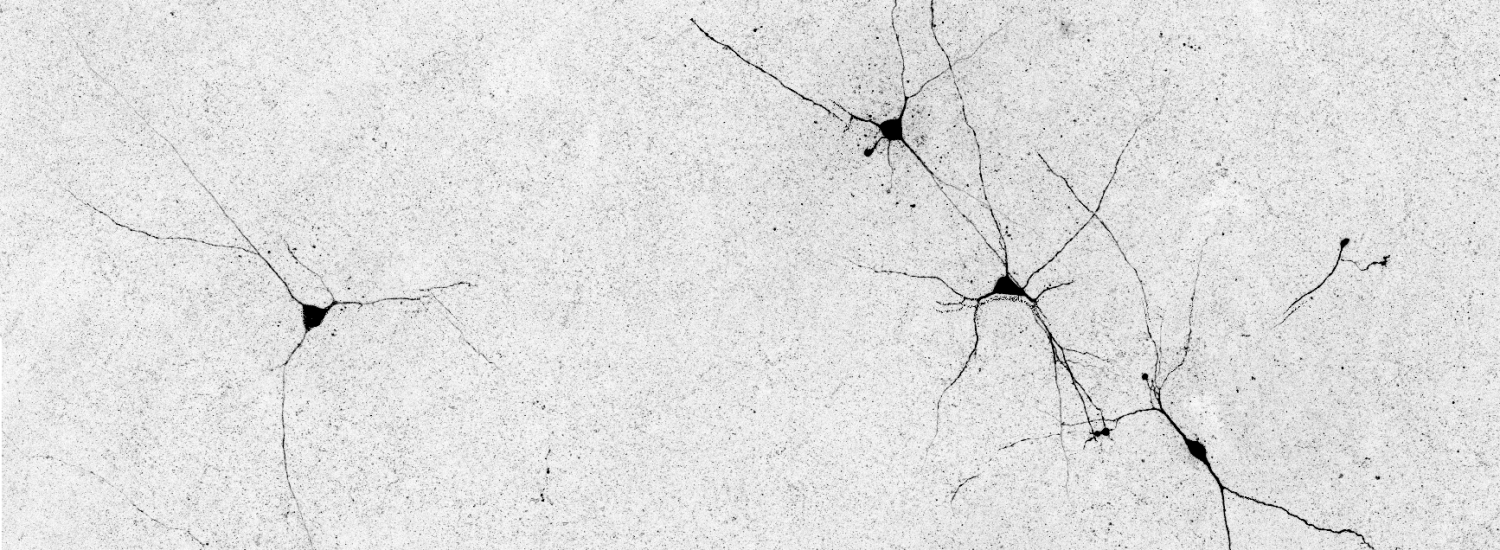
Neurones a l’hipocamp – BBC News

Read More »

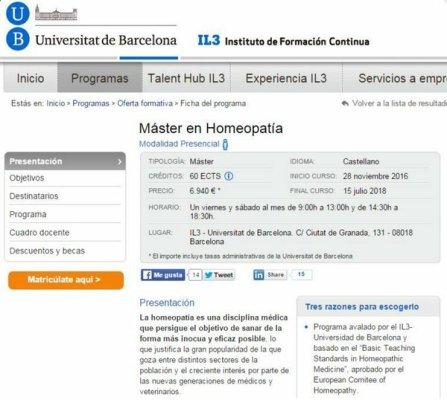
La UB i el seu Màster en Homeopatia

Avui estava disposat a escriure sobre el procés de cerca i sol·licitud de doctorats, i sobre alguns consells que m’han resultat molt útils. Escric en passat perquè a mig matí he vist un tweet d’en Josep Mainat que m’ha fet perdre el fil del que tenia en ment i m’ha portat a escriure sobre homeopatia. Sí, amics i amigues, heu llegit bé el tweet: la Universitat de Barcelona, considerada la primera o tercera millor universitat del país, ofereix (o oferia) un Màster en Homeopatia.

Master Homeopatia UB IL3

Read More »

On something I published

Now that PhD interviews are over and, with them, this whole process of applying for PhDs has come to its end, I find myself with enough time to do some writing and liven up this blog a bit. And with that in mind, I wanted to share the first piece I have written and has been published in a journal (yay!).

When I was in Oxford I started collaborating as a page editor with Phenotype, a journal of the Oxford University Biochemical Society that every term publishes short articles by students, postdocs, PIs and alumni from a wide range of disciplines. After I handed in my MSc Thesis I decided that it would be cool to write about what I had been doing those six months I spent in the lab, and it would be even cooler to try to get it published so that everyone could read it. So I gave it a go and ended up writing about the method I learned and used in my experiments.Read More »

cuttlefish

Unexpected advice

I woke up today feeling that it would be a writing day. It was about time, I should really be getting on with my motivation letters for PhD applications. But then this interesting post about how cuttlefish hold their breath to hide from predators caught my attention. It turns out that by covering their gills they decrease the generation of electrical signals in that area and thus make it more difficult for sharks to sense them.

http://news.sciencemag.org/sites/default/files/styles/thumb_article_l/public/sn-cuttlefish.jpg

Read More »